Understanding the Phenomenon: What the Evil Eye Is and Why Jealousy Matters
Throughout many cultures, the idea of a protective shield against the evil eye and the jealous gaze is more than folklore—it represents a practical approach to maintaining personal well‑being. The evil eye protection concept encompasses a belief that a strong gaze filled with envy or intent to harm can affect health, mood, or luck. Likewise, jealousy defense involves guarding one’s energy from the resentful or envious feelings of others. In this article, we explore how to build a robust, daily routine that acts as a shield against both malicious looks and envious vibes, using a blend of cultural wisdom, practical habits, and mindful practices.
Historical and Cultural Perspectives: A Global Tores of Belief
Across continents, communities have developed a rich tapestry of symbols, rituals, and everyday habits to ward off envy and the evil gaze. In the Mediterranean, the nazar (the blue eye bead) and the nazar amulet are popular talismans. In parts of the Middle East, the evil eye amulet and the hamsa hand are seen as universal protectors. South Asia and the Indian subcontinent bring practices involving protective powders, mantras, and rituals to release negative energy. Latin American traditions often blend indigenous and African influences, emphasizing cleansing rituals and boundaries. Africa’s diverse spiritual frameworks emphasize energy hygiene, community guardianship, and ritual acts that help people protect themselves from envy.
The recurring theme in all these cultures is not just superstition; it is a psychological and social practice that acknowledges how easily we absorb others’ emotions. By treating envy and the gaze as real, tangible forces, people create routines that reaffirm personal spaces, calm the mind, and restore balance after encountering caustic energy.
Foundations of Personal Shielding: Core Principles
A durable defense against evil eye and jealousy rests on several interrelated pillars. The following principles can guide anyone seeking a practical, everyday method to stay centered while navigating social life.
Intentional awareness: Acknowledge when you feel unsettled after a compliment, a social interaction, or a success. Name the feeling and decide how you want to respond rather than react.
Boundaries and discernment: Distinguish between constructive feedback and intrusive, envious comments. Protect your space when needed.
Energy hygiene: Regularly clear and refresh your personal energy through rituals, routines, and mindful practice.
Ritual simplicity: Remember that protection can be simple—short breaths, mindful grounding, and a small symbolic action can be as effective as elaborate ceremonies.
Positive intention: Direct attention toward gratitude, generosity, and confidence. A strong inner stance reduces the potency of negative glances.
Intent and Awareness
The act of becoming more intentional about your energy is a foundational shield. Before stepping into social situations—especially those where you sense envy or suspicion—take a moment to center yourself.
Energy Hygiene and Boundaries
Energy hygiene involves routines that keep your aura, thoughts, and emotions from absorbing the moods of others. This can include quick grounding exercises, choosing who you spend time with, and cultivating environments that feel safe and uplifting.
Practical Physical Symbols and Charms: Tools People Use for Protection
Symbols and objects are often used to cue protective intentions. They serve as tangible anchors for your shield against the evil eye and the jealous gaze, acting as reminders to stay centered and to reset if you ever sense a ripple of negativity around you.
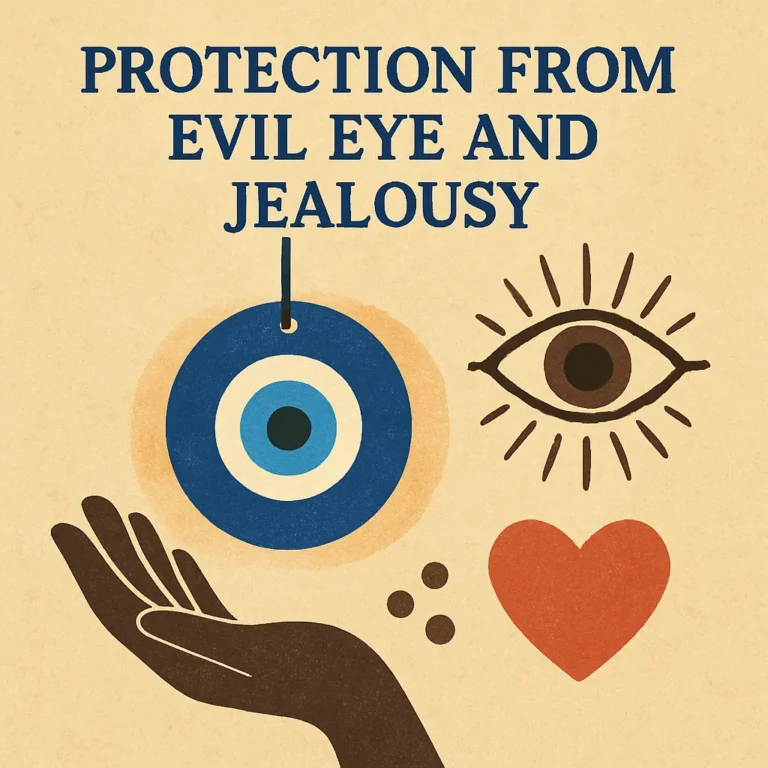
Nazar blue eye bead: Perhaps the most recognizable symbol for evil eye protection. A bright blue disc with a dark circle resembles a staring eye and is believed to deflect malice.
Hamsa hand: A symbol found in many cultures that is thought to ward off envy and negative energy while inviting blessings.
Red string or thread: Worn around the wrist or neck, it is used in some traditions to block negative opinions and invite protective energy.
Cornicello and other horn charms: In some regions, horn-shaped symbols are used to deter ill will and safeguard success.
White sea salt or blessed water: Used for cleansing spaces and objects, reinforcing a sense of safety against jealous energy.
Remember, the power of symbols often lies as much in the intention behind them as in the objects themselves. Use these talismans as reminders to reset your energy rather than as talismans with magical power guaranteed by themselves.
Rituals and Practices: How to Sustain a Strong Shield
A set of ritual practices can be integrated into daily life to sustain a robust defense against the evil gaze and jealous energy. Below are practical approaches that can be adapted to your beliefs and lifestyle.
Daily Cleansing Rituals
Morning grounding: Spend 2–5 minutes focusing on steady breathing and feeling the feet on the ground. Imagine a protective bubble surrounding you.
Salt bath or foot soak: Dissolve a handful of sea salt in warm water and soak for 5–10 minutes to cleanse lingering negativity.
Smudging or incense: If you resonate with it, use sage, cedar, sandalwood, or other cleansing scents to purify your space and aura.
Breathwork and Mindful Focus
Box breathing: Inhale for four counts, hold for four, exhale for four, hold for four. Repeat for 2–3 minutes to regain calm after a triggering moment.
Air visualization: Picture a bright, protective light forming around you with each exhale of tension.
Affirmations and Positive Framing
Affirmation examples: “I am protected by light and love.” “I choose peace and clear boundaries.” “Nothing negative can take root in my space.”
Gratitude journaling: End each day noting three things you are grateful for, reinforcing a positive energy pattern that discourages envy from taking hold.
Mindset Techniques: Psychology and Spirituality in Protection
Beyond symbols and rituals, cultivating a resilient mindset is a critical element of shielding yourself from jealous energy and the evil eye. The following techniques help align your inner state with protective outcomes.
Reframing envy: When you notice envy in others, shift your focus to compassion or neutral observation rather than taking offense. This reduces energy leakage and preserves your own balance.
Compassionate boundary setting: It’s possible to assert boundaries with kindness, lowering the likelihood that others’ resentment will ricochet back toward you.
Energy inventory: Periodically scan your body for tightness, heat, or tingling, and address the sensation with a grounding breath or a short walk.
Social environments are dynamic and often carry emotional currents. Recognizing that jealous energy is a real factor in group dynamics helps you respond with clarity rather than defensiveness. The goal is to preserve your center while maintaining healthy relationships.
Consistency is essential. The following everyday habits help sustain a protective layer that remains effective over time, even in challenging settings.
Sleep hygiene: Prioritize a regular sleep pattern. Rested minds are less susceptible to negative energy and misperceptions that produce jealousy-based reactions.
Hydration and nutrition: A hydrated body supports calmer nervous system responses; balanced meals help you manage stress and stay grounded.
Mindful social media use: Limit exposure to online exchanges that provoke envy or judgment, and curate your feeds for supportive, constructive content.
Environment design: Create spaces at home and work that feel safe, organized, and uplifting—natural light, plants, and clean surfaces can transform mood.
Companion circles: Nurture relationships with people who celebrate your successes, while gently detaching from those who consistently evoke envy or gossip.
Dealing with Jealous People and Negative Environments
The presence of jealous individuals or envious atmospheres can be taxing. The following strategies help you maintain a strong shield while navigating such dynamics.
Set clear boundaries: Be direct yet polite about what is and isn’t acceptable in terms of comments, requests, or comparisons.
Limit exposure: If certain people repeatedly press your boundaries, reduce your contact or move conversations to safer contexts.
Use a discreet shield ritual: A quick grounding ritual before interactions can help you stay calm during high-emotion moments.
Seek supportive allies: Build a network of friends or mentors who provide balanced feedback and encourage healthy energy exchanges.
When Social Feedback Feels Personal
It’s natural to feel hurt when someone’s jealous chatter targets you. In these moments, practice self-validation, remind yourself of your values, and decide how best to respond—whether with grace, assertiveness, or measured distance.
Different cultures emphasize distinct symbols and rituals to shield against the evil eye and the jealous gaze. You can explore these variations and adopt elements that resonate with your beliefs.
Blue eye talismans (nazar): Commonly worn or hung in homes to reflect back ill will and protect the wearer from envy.
Hamsa or Hand of Fatima: Emphasizes protection from negative energy, with the added meaning of blessing and abundance.
White or black salt cleansing: Salt is used in many cultures as a purifying agent to clear negative energy from spaces or objects.
Ash and incense rites: Burning specific resins or herbs to raise vibration and create a barrier against malevolent intent.
Color symbolism: Colors such as blue, white, and gold are often linked to protection, serenity, and abundance in various traditions.
For those who wish to deepen their protection, integrating practices that address body, mind, and spirit can yield a stronger shield. The aim is to cultivate resilience and clarity in every situation.
Chakra grounding: Visualize aligning your chakras from base to crown, releasing tension at each center, and inviting luminous protection.
Mindful boundary work: Practice assertive communication that is calm, specific, and respectful. The clearer you are about limits, the less energy you leak to others’ negativity.
Energetic composting: Release past hurts or resentments that can attract lingering negativity; replace them with compassionate release rituals that free space for positivity.
If you experience persistent, overwhelming fear, anxiety, or intrusive thoughts related to envy or the evil eye, it may be helpful to speak with a trusted counselor, spiritual advisor, or a healthcare professional. Protecting yourself is about strengthening your wellbeing; if symptoms interfere with daily life, professional support can be an important component of a holistic approach.
The following step‑by‑step plan offers a practical framework for building an ongoing shield against evil eye and jealous energy that fits a modern lifestyle.
Identify triggers: Note situations, people, or settings that consistently evoke unease or envy.
Choose protective symbols: Select talismans or symbols that feel meaningful to you (e.g., Nazar, Hamsa, or a color palette you associate with safety).
Create a daily ritual: Allocate 5–10 minutes each morning for grounding, breathwork, and a personal intention to stay protected.
Establish boundaries: Practice gentle but firm boundary-setting in your interactions, and trim exposure to consistently negative influences.
Engage in energy hygiene routines: Salt cleansing, smudging, or incense as described, plus a quick energy inventory at midday or after social events.
Cultivate supportive networks: Surround yourself with people who honor your achievements and encourage your growth without judgment.
Tailoring Protection to Yourself: Personalizing the Approach
No single method fits all. Your personal shield is built from a combination of beliefs, tools, and habits that align with your values. Consider the following as you tailor your approach:
Belief alignment: Embrace the practices that resonate with your cultural, spiritual, or personal worldview.
Practicality: Choose tools and routines that you can sustain daily, not just during rare moments of fear.
Flexibility: It’s okay to adjust your practices as life changes; what matters is a consistent sense of safety and clarity.
Protection from the evil eye and jealousy is as much about cultivating steady inner strength as it is about external symbols or rituals. By combining the historical wisdom of diverse cultures with modern, practical steps—mindful intention, energy hygiene, daily rituals, and healthy boundaries—you can establish a robust shield that supports your wellbeing and supports sustainable growth.
In the end, the goal is not to fear others’ opinions, but to center yourself, protect your space, and act from a place of integrity and calm. Whether you lean on talismans, breathwork, or clear boundaries, the most powerful protection often comes from a consistent practice that reinforces your sense of safety and self‑worth. Embrace the journey, and allow your shield to become a natural extension of your daily life—a living practice that grows with you, adapts to your circumstances, and honors the dignity of your own path.