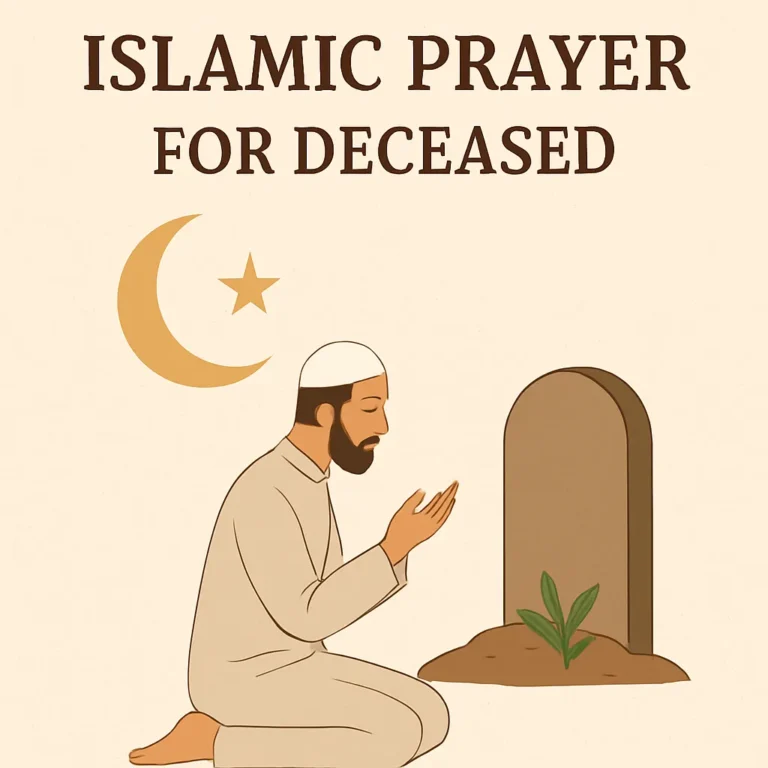
Islamic prayer for the deceased is a central act of mercy, remembrance, and solidarity within the Muslim community. It encompasses duas (supplications) for forgiveness and mercy, proper etiquette during burial and visits, and practical guidance for the living to honor the dead through ongoing charity, remembrance, and righteous deeds. This article offers a thorough exploration of these practices, with variations of prayers to reflect the breadth of expressions found in Islamic tradition. It aims to be a detailed, respectful resource for readers seeking both depth and clarity.
In Islam, death is a transition rather than an end. The living are encouraged to supplicate for the deceased to obtain forgiveness, mercy, and steadfastness in the afterlife. Through duas and acts of charity, believers believe that beneficial deeds can continue to benefit the departed. The practice also strengthens the bonds within the community, reminding everyone of the temporality of life and the importance of living a righteous, purposeful life.
There are several well-known forms of duas for the deceased, ranging from universal supplications for all Muslims to specific prayers for an individual. The variations below illustrate different contexts in which these prayers are commonly recited: at the grave, during funeral rites, in gatherings after a death, and privately at home.
Dua for Forgiveness and Mercy: Universal Forms
Variation 1 • General supplication for all living and dead Transliteration: Allahumma ighfir li hayyina wa mayyitina wa shahidina wa ghayibina wa saghirina wa kabirina wa dhakarina wa unthana. Translation: O Allah, forgive our living and our dead, our present and our absent, our young and our old, our male and female. Note: This form is widely cited in supplications associated with funeral prayers and grave visits. It emphasizes inclusivity—asking forgiveness for the entire community, both near and far.
Variation 2 • All Muslims (living and dead) Transliteration: Allahumma ighfir lil-mu’minina wa-l-mu’minat, wa-l-mu’minina wa-l-mu’minat, al-ahya’i min-hum wa-l-amwat. Translation: O Allah, forgive the male and female believers, the living among them and the dead. Comment: This form extends mercy to all believers, emphasizing the universal scope of divine mercy.
Variation 3 • Quranic-inspired supplication for steadfastness Transliteration: Rabbana ighfir lana wa li-ikhwanina alladhina sabaquna bil-īmān. Translation: Our Lord, forgive us and our brothers who preceded us in faith. Context: This is a Qur’anic supplication (from the broader spirit of the faith) often cited to remind the living to seek forgiveness for all of the believers, past and present.
Variation 4 • Grave-side or funeral gathering Transliteration: Assalamu ‘alaykum ahl al-diyari min al-mu’minin wa al-muslimin; wa inna insha’Allah bikum lahiqoon. Nasee’ullah lana wa lakum al-afu wal-‘afiyah. Translation: Peace be upon you, inhabitants of the dwelling of the believers; indeed, we, God willing, will join you. We ask Allah to grant us and you safety and pardon. Note: This form is commonly recited at gravesides, and it expresses a respectful farewell while invoking mercy for all.
Dua for Mercy and Mercy-Focused Requests after Death
Variation 5 • Mercy in the afterlife Transliteration: Allahumma ighfirli ahl al-qabri wa ahli al-muslimin wa-al-muslimat. (Partial transliteration) Translation: O Allah, forgive the people of the grave and the Muslim men and women. Use this form as a component within a larger supplication to emphasize mercy for the deceased.
Variation 6 • Forgiveness, mercy, and peace for the departed Transliteration: Allahumma ighfir-li ahli al-qabri wa-l-ahya’i minhum wa-l-amwat, wa aslihli wa-la-hinuhum bi-ma-sabahihim. Translation: O Allah, forgive the inhabitants of the grave, both the living among them and the dead; repair and improve them in their trials and tribulations. Important: Always rely on authentic sources and consult knowledgeable scholars when planning exact wording to align with one’s school of thought.
Dua at the Grave and in Daily Remembrance
Variation 7 • Grave-side supplication Transliteration: Assalamu ‘alaykum ahl al-diyari min al-mu’minin wa al-muslimin, wa inna insha’Allah bikum lahiqoon. Nas’alullah lana wa lakum al-afu wal-‘afiyah. Translation: Peace be upon you, inhabitants of the graves from the believers and Muslims; and indeed, God willing, we will join you. We ask Allah to grant us and you pardon and safety. Context: This is a reflective, respectful eidetic formula for remembrance and ongoing supplication for the deceased during visits.
Variation 8 • Ongoing charity and supplication for the dead Transliteration: Allahumma salli ‘ala Muhammadin wa ‘ala ali Muhammadin, wa aqtariha min al-sadaqah al-jaariyah. (Pattern) Translation: O Allah, send blessings upon Muhammad and the family of Muhammad, and allow ongoing charity to reach the deceased as part of your mercy. Note: This demonstrates how sadaqah jaariyah (continuous charity) is linked with prayers for the dead.
Dua in the Janazah (Funeral Prayer) Context
Variation 9 • Core funeral prayer dua Transliteration: Allahumma salli ‘ala Muhammadin wa ‘ala ali Muhammadin, kama sallayta ‘ala Ibrahima wa ‘ala ali Ibrahima, innaka Hamidun Majid. Allahumma barik ‘ala Muhammadin wa ‘ala ali Muhammadin, kama barakta ‘ala Ibrahima wa ‘ala ali Ibrahim, innaka Hamidun Majid. Translation: O Allah, send blessings upon Muhammad and the family of Muhammad, as You sent blessings upon Ibrahim and the family of Ibrahim; You are Praiseworthy and Glorious. O Allah, bless Muhammad and the family of Muhammad, as You blessed Ibrahim and the family of Ibrahim; You are Praiseworthy and Glorious. Context: This is the classic dua recited during the Janazah (funeral) prayer in many traditions and serves as a reminder of sanctifying the Prophet’s example, which in turn honors the community and its deceased.
Variation 10 • Short, sincere supplication after Janazah Transliteration: Allahumma ighfir li-hiya wa mayyitina, wa al-muslimin wa-al-muslimat, al-ahya’i min-hum wa al-amwat. Translation: O Allah, forgive our living and our dead, and forgive all Muslims, living and dead, great and small.
Etiquette and Conduct: How to Approach the Deceased and the Gravesite
Etiquette in Islamic practice is not only about the words spoken, but also about the manner in which one conducts oneself in the presence of the deceased and at burial sites. The following points summarize respectful norms that are broadly observed across communities.
Intention and sincerity: Begin with the intention to seek Allah’s mercy for the deceased and to remind yourself of mortality. Sincerity is the foundation of any supplication.
Humility in demeanor: Maintain a quiet, respectful tone. Do not shout, boast, or engage in idle talk at gravesites or during funeral rites.
Modesty and attire: Dress modestly when attending funerals or visiting graves; men and women should observe appropriate decorum in accordance with local norms and religious guidance.
Recitation posture: When reciting duas, keep your voice moderate. In congregational settings, follow the rhythm of the prayer leader or the customary conduct of the community.
Memory and reflection: Use the time at the grave or during the funeral to reflect on the transient nature of life, to thank God for the blessing of faith, and to renew your personal commitments to good deeds.
Avoid disallowed actions: Do not insult, backbite, or engage in gossip; avoid extravagance or ceremonial show, and refrain from making bets or engaging in un-Islamic rituals around death.
Etiquette at Home, in the Graveyard, and During Burial
Home: After a death, family members often recite Qur’an, offer charity (sadaqah) on behalf of the deceased, and make heartfelt supplications. It is encouraged to establish a routine of duas for the deceased as a form of ongoing mercy.
Graveyard: When visiting graves, maintain a private or hushed voice, greet the residents of the graves with courtesy, and engage in remembrance rather than theatrics. The aim is humility and supplication, not spectacle.
Burial: In traditional practices, burial is carried out promptly and with respect for ritual purity, modesty, and the care of the body. The community shares in washing, shrouding, and burying the deceased according to local practice and religious guidance.
Guidance for Families and Communities: Practical Steps to Help the Deceased
Beyond individual supplications, there are practical acts of mercy that benefit both the living and the dead. The following guidance emphasizes the concept of ongoing charity (sadaqah jaariyah), remembrance, and righteous living as enduring gifts to those who have passed.
Give Sadaqah Jaariyah: Donating to causes that will continue to benefit people over time—such as building wells, schools, mosques, healthcare facilities, or funding scholarships—can be recorded as ongoing charity on behalf of the deceased.
Qur’an and remembrance: Regularly reciting portions of the Qur’an with the intention of sharing the reward with the deceased, or listening to recitations, is a meaningful practice that many communities observe.
Prayers and supplications: Maintain a practice of daily duas for the deceased, especially during meaningful occasions such as the anniversary of death, Eid, or Ramadan. Consistency matters as the deeds are linked to intention and perseverance.
Uplifting the family and community: Support the bereaved with kindness, meals, and practical help. A supportive environment helps maintain the dignity of the deceased in the eyes of God and fosters healing for the living.
Memorial acts with intention: Engaging in acts of worship or service with the intention of benefiting the deceased can be a source of comfort and spiritual merit.
Memorization and Practice: How to Build a Routine
Learn core duas: Start with a few reliable supplications such as the universal Dua for living and dead, the grave-side prayer phrases, and the Qur’anic-inspired verses that emphasize forgiveness and mercy.
Set reminders: Create a simple schedule—weekly gatherings, or monthly visits to the cemetery, or a quiet time at home dedicated to remembrance and supplication.
Involve family and friends: Encourage others to participate in the acts of remembrance; community involvement elevates the spiritual value of the supplications and helps the living stay connected to the deceased’s memory.
Consult scholars responsibly: If you’re ever unsure about the appropriate wording or the etiquette of a certain rite, seek guidance from trusted scholars, imams, or knowledgeable elders within your community.
The topic of prayer for the deceased often raises questions about authenticity, feasibility, and how best to honor family members. Here are some commonly asked questions and concise clarifications.
Q: Is it permissible to pray for the dead even if the death is recent or if someone died under difficult circumstances?
A: Yes. Supplications for forgiveness and mercy are encouraged for all Muslims, living and dead, regardless of timing or circumstance. The aim is to seek mercy for the deceased and comfort for the living.
Q: Are there duas specifically recommended by the Prophet (peace be upon him) for the dead?
A: There are well-known supplications that are commonly recited in funerary contexts and grave visits, including universal supplications and phrases from Qur’anic language. When available, refer to authentic hadith collections and consult a scholar for precise wording, because regional practices may vary while remaining within the broader Islamic framework.
Q: How should duas for the deceased relate to personal prayers for the living?
A: Both can be recited together in a balanced way. The living should continue to pray for themselves, their families, and their communities while also dedicating du’as for the deceased. The intention is sincerity and compassion for all members of the faith community.
Q: Is visiting graves important in Islam?
A: Visiting graves is encouraged as a reminder of mortality and a time to supplicate for mercy for the deceased. It is not a ritual to be performed for show; it should be done with humility and reverence.
Q: Can I recite Arabic duas if I’m not fluent?
A: Yes. Even if you don’t speak Arabic fluently, you can recite transliterations and translations with intention. Learning a few authentic phrases in your own language is valuable, and you may gradually learn the Arabic forms as well.
Practical Takeaways
Center your supplications on mercy, forgiveness, and steadfastness for the deceased and the community of believers.
Respect the etiquettes of worship—quiet, humble, and sincere conduct during grave visits and funeral prayers.
Link your prayers to ongoing deeds—sadaqah jaariyah, Qur’an recitation, and charitable acts that can benefit the deceased in the Hereafter.
Educate and involve others—share knowledge with family and community members to preserve the dignity and sanctity of these practices across generations.
Conclusion: A Prayerful Path Toward Mercy, Community, and Enduring Good
The Islamic approach to the of the deceased is a holistic practice that intertwines duas, etiquette, and guidance for both the soul of the departed and the hearts of the living. By embracing a thoughtful mix of universal supplications, Qur’anic phrases, and respectful rituals, Muslims honor those who have passed while cultivating piety, compassion, and communal resilience. The forms of prayer may vary across communities, but the intent remains constant: to seek forgiveness, to entreat for mercy, and to carry forward the light of faith through acts of worship, charity, and remembrance.