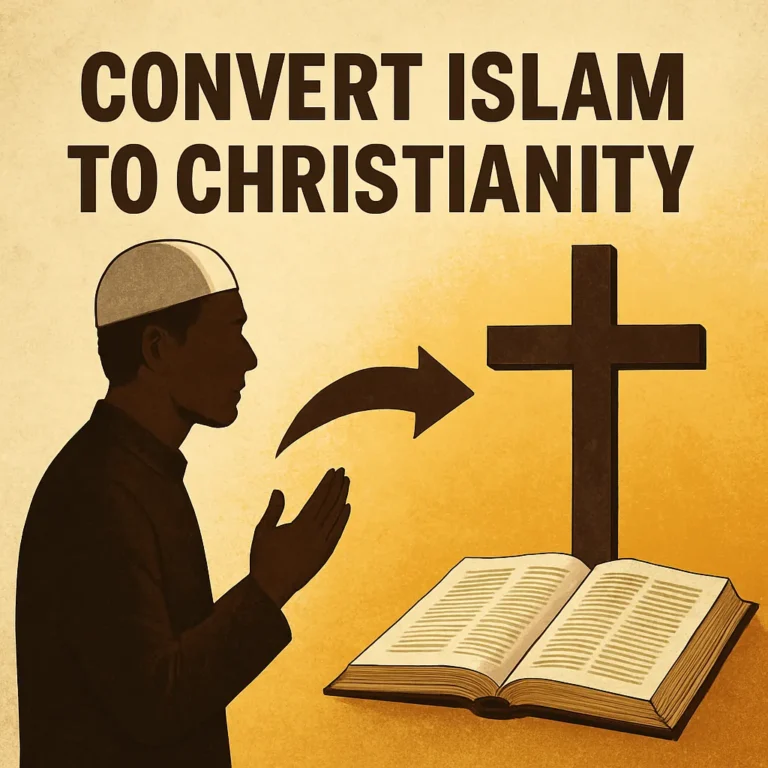
Understanding the Journey: An Honest Look at Transitioning Faith
For many people who grew up in a Muslim context, the choice to pursue Christian faith is a deeply personal and transformative path. This article approaches the topic with respect, care, and a commitment to personal conscience. It is not a call to pressure or coercion, but a practical guide for someone who is evaluating whether the promises of Christianity align with their own experience of God, Jesus, and salvation.
First Principles: Respect, Freedom, and Genuine Discovery
When discussing convert Islam to Christianity conversations, three anchors matter most:
Freedom: Every person has the right to explore faith and to change beliefs without fear or manipulation.
Respect: Honoring family, culture, and community while pursuing truth.
Integrity: Grounding conclusions in honest study of both Islamic and Christian sources, rather than stereotypes or caricatures.
Key Concepts: What Christianity Teaches About God, Jesus, and Salvation
If you are considering embracing the Christian faith after a Muslim background, it helps to understand the core Christian claims, and how they differ from Islamic teaching. This section outlines essentials in a respectful, comparative way.
The Nature of God and the Trinity
Christians affirm that God is one, yet reveal Himself in three persons: the Father, the Son, and the Holy Spirit. This doctrine, known as the Trinity, is a Christian mystery that seeks to harmonize the oneness of God with the lived personhood of Jesus and the presence of the Spirit.
Jesus Christ: Son of God, Savior
A central claim of Christianity is that Jesus is not merely a prophet, but the eternal Son of God who became human. Christians believe Jesus lived a sinless life, died by crucifixion for the sins of humanity, rose from the dead, and ascended to heaven. Trusting in Jesus is presented as the path to reconciliation with God.
Salvation by Grace Through Faith
In Christianity, salvation is broadly described as God’s grace received through faith in Jesus Christ, rather than earning salvation through deeds alone. The New Testament presents conversion as a decision to follow Christ, enabled by the Holy Spirit, and evidenced by a transformed life.
Christian teachings are rooted in the Bible as a primary authority for faith and practice. Different Christian traditions interpret Scripture in varying ways, but most agree that the Bible points toward Jesus as the center of God’s redemptive plan.
Understanding Islam: What You Might Be Leaving Behind (With Respect)
To approach the question of converting Islam to Christianity with integrity, it helps to summarize core Islamic beliefs as commonly held: Tawhid (the oneness of God), the prophethood of Muhammad, the Qur’an as divine revelation, and a life oriented toward submission to God through good works and obedience. Recognizing these convictions is important for respectful dialogue and for personal discernment.
Islam emphasizes monotheism and submission to Allah.
Prophetic guidance culminates in the prophethood of Muhammad.
The Qur’an is regarded as the final, preserved revelation.
Salvation is often understood as a combination of faith and righteous deeds, with accountability before God.
Practical Steps to Explore and Decide: A Roadmap for Your Journey
Below is a practical, non-coercive roadmap for someone who is contemplating a shift from Islam toward Christianity—often phrased in ways such as convert Islam to Christianity, convert from Islam to Christianity, or becoming a Christian after Islam.
Step 1: Personal Reflection and Honest Motives
Set aside time for quiet reflection and honest prayer, journaling your questions, doubts, and convictions.
Be patient with the process. Deep convictions often emerge gradually through study, prayer, and conversation.
Step 2: Learn About Christianity with Careful Reading
Begin with the Gospels (especially the Gospel of John) to understand who Jesus is and what he taught.
Read a concise introduction to Christian belief that explains the Trinity, grace, and salvation in plain terms.
Use reliable translations and commentaries that respect your background and avoid sensationalized portrayals.
Step 3: Compare Beliefs Thoughtfully and Respectfully
Make a list of questions you have about God, Jesus, salvation, scripture, and eternity.
Seek sources from both Christian and Islamic perspectives to gain a fair understanding of each tradition’s claims.
Note areas of agreement (monotheism, reverence for God, the moral life) and areas of disagreement (the nature of Jesus, the Trinity, salvation).
Step 4: Engage with Christian Community and Mentors
Find a trustworthy Christian mentor or pastor who can walk with you through questions in a non-pressure environment.
Attend a diverse range of worship experiences to see how different communities practice faith in daily life.
Ask respectful, clearly stated questions about doctrine, baptism, church life, and discipleship.
Step 5: Bible Study and Theological Exploration
Join a Bible study focused on the life of Jesus, the meaning of the cross, and the message of grace.
Use study aids that explain Christian doctrines clearly without assuming prior familiarity with Western Christian systems.
Discuss difficult topics such as the Trinity, the incarnation, and the role of faith and works in salvation with a mentor.
Step 6: Prayerful Discernment and Spiritual Guidance
Maintain a posture of prayer, asking God for clarity, peace, and guidance in the decision-making process.
Invite trusted spiritual mentors to pray with you and for you as you navigate tough questions and emotional tensions.
Be prepared for a range of emotions, including awe, doubt, joy, or confusion, as you progress.
Step 7: Public Commitments: Baptism and Profession of Faith
If you decide to become a Christian after Islam, baptism is often viewed as a public sign of faith and identification with Christ’s body. Expect a process of teaching, counseling, and readiness assessment.
A profession of faith may be accompanied by membership in a local church and ongoing discipleship relationships.
Discuss practical considerations with trusted mentors, especially in communities where family or social pressures exist.
Conversations and Mentors: How to Talk About Your Journey
Conversations with Christians about converting from Islam to Christianity should be characterized by mutual respect, honest questions, and careful listening. The goal is not to win an argument, but to arrive at truth and a faith that you can wholeheartedly affirm.
What to Expect in Mentoring Relationships
Clear, patient teaching about Christian doctrine and practice.
Opportunity to ask questions without fear of judgment.
Guidance on how to integrate faith with daily life, work, and family.
How to Have Respectful Dialogues with Family and Friends
Communicate your journey with humility, acknowledging the importance of your family’s beliefs.
Avoid pressuring others to adopt your conclusions; share your story and the reasons behind it.
Be prepared for questions about Jesus, salvation, and grace, and answer with honesty and kindness.
Engaging with a Christian Community: Where to Start
Finding a welcoming Christian community can be a crucial part of the journey from Islam toward Christianity. Look for environments that emphasize discipleship, accountability, and compassionate outreach.
Choosing a Local Church
Consider churches that teach the gospel clearly, demonstrate love for neighbors, and encourage spiritual growth.
Ask about baptism, membership, small groups, and opportunities for service.
Attend multiple services to understand different styles while focusing on substance over form.
Online Communities and Resources
Join credible online Bible studies and forums that address questions about faith from a non-pressuring stance.
Use reputable Bible study apps and translation tools to read and compare passages.
Engage with mentors who can provide counsel through digital means if in-person access is limited.
Special Considerations for Muslims Exploring Christianity
If you are a Muslim exploring Christian faith from an Islamic or culturally Muslim background, you may face additional social or familial pressures. This section offers practical guidance to navigate those pressures while staying true to your conscience.
Safety first: If expressing your beliefs could put you at risk of violence or family harm, seek confidential support from trusted community leaders or professionals.
Preserve family ties: Communication can be gradual and respectful; you can share your journey in a way that protects relationships.
Cultural sensitivity: Understand customs, celebrations, and values that matter to your family and community, and seek to honor them where possible.
Support networks: Build a network of supportive Christians who understand the context and can offer mentorship.
Practical Resources and Tools for Study and Growth
A well-researched and measured approach to convert Islam to Christianity involves good resources. The following are general categories and examples you may find helpful. Always evaluate sources for accuracy, respect, and scholarly balance.
Bible translations: NIV, ESV, NRSV, and others that are accessible in your language.
Gospel-focused study guides that explain who Jesus is and why his life matters in plain terms.
Christian education programs such as “Christianity Explored,” “Alpha,” or local catechetical courses.
Historical and theological resources that discuss early Christianity, the person of Jesus, and the development of Christian doctrine.
Faith community directories to locate churches and mentors in your area.
Respectful dialogue guides that help you articulate your questions clearly and listen well to Christians’ answers.
Common Questions and Myths About Conversion
In any journey from Islam toward Christianity, you may encounter questions or myths. Addressing them with fairness helps you stay grounded in truth and love.
Will I lose my family or culture if I become a Christian? This is a common concern. Outcomes vary widely by context; seek wise counsel and practical plans to navigate relationships.
Is the Trinity a conflicting idea with Islam’s monotheism? Christians see the Trinity as a mystery of God’s nature; Muslims often raise a critique of three-in-one. Honest study helps you understand why Christians hold this belief.
Is faith enough, or do I need to perform good deeds? Christian teaching emphasizes grace through faith, while good works are seen as fruit of genuine faith, not the means of earning salvation.
What about Muhammad and the Qur’an? Christianity respects Muhammad as a historical figure, but it asserts that Jesus is Lord and that the Bible communicates God’s final revelation through Jesus. Explore the claims with care.
Ethical Boundaries: What This Guide Will Not Promote
This guide is intended to support voluntary, well-informed faith decisions. It explicitly rejects coercion, manipulation, or deceptive practices. It emphasizes:
Non-coercive inquiry and personal conscience above social pressure.
Respect for religious freedom and for the sincerely held beliefs of others, including those in Islam.
Safety and care for personal and communal well-being in contexts where faith decisions may have social consequences.
What to Expect After a Decision to Follow Christ
If you conclude that embracing Christianity is right for you, you may experience a range of spiritual and practical changes. Common elements include a personal relationship with Jesus, participation in a faith community, baptism, and a journey of ongoing growth in prayer, Scripture, and service.
Conclusion: A Personal, Faithful Journey
The decision to move from a Muslim background toward Christian faith is a significant spiritual journey. It involves honest study, thoughtful reflection, respectful dialogue, and a committed search for truth and peace. Whether you describe your path as converting to Christianity after Islam, becoming a Christian from a Muslim upbringing, or transitioning from a Muslim background to Christian faith, the core aim is to live with integrity before God and toward others. Remember that you are not alone; you can seek mentors, communities, and resources that support a respectful, truth-seeking approach to faith.