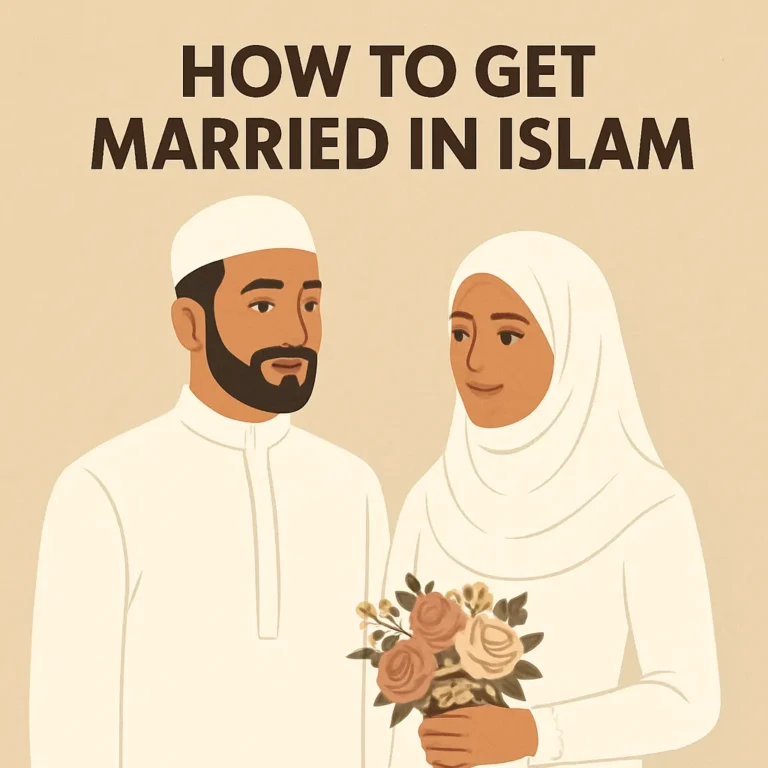
Marriage in Islam is a sacred covenant that blends spiritual intention with social responsibility. Whether you are seeking guidance for yourself, supporting a family member, or documenting a cultural practice, this comprehensive guide outlines step-by-step Islamic marriage procedures, the laws involved, and the rich traditions that accompany the union. The aim is to offer clear, practical information while respecting the diversity of Islamic communities around the world.
In Islamic thought, nikah is the contractual union that makes a couple legally and spiritually bound. It is not only a private ceremony but a social institution that establishes rights and responsibilities for both spouses and, often, their families. At its core, consent from the adults involved, a mahr (bridal gift), and the presence of witnesses are essential elements. While the exact practices can vary across cultures and legal jurisdictions, the essentials of an Islamic marriage remain consistent: intention, mutual consent, a valid contract, and compliance with local civil or religious regulations.
Important Concepts and Terminology
Nikah — the Islamic marriage contract between the spouses.
Mahr — a mandatory bridal gift agreed upon by the couple, to be paid by the groom to the bride or her wali, depending on tradition.
Wali — the guardian of the bride, traditionally a male relative who protects her interests; the rules about wali vary among traditions and schools of thought.
Witnesses — two adult, sane Muslim witnesses are commonly required to validate the contract, though requirements may differ by country and school.
Khutbah Nikah — the sermon or declaration at the wedding acknowledging the marriage and its responsibilities.
Consent — explicit agreement by both parties; in Islam, coercion undermines the validity of the contract, and while arrangements may involve families, the spouses must freely assent.
Maḥr (Mahr) — the dowry or financial obligation promised by the groom and received by the bride; it is a form of security and respect.
Civil registration or documentary legalization — in many places, couples register their marriage with civil authorities in addition to, or instead of, a religious ceremony.
Legal and Cultural Contexts: Navigating Different Frameworks
Islamic marriage exists within a range of legal contexts, from purely religious ceremonies to civil unions that are recognized by the state. The precise requirements depend on factors such as:
The jurisdiction and its laws regarding marriageable age, consent, and registration.
Tradition and interpretation within one’s madhhab (school of thought) or cultural community.
Whether the marriage will have religious validity, civil validity, or both.
In many countries, couples perform a nikah as the religious ceremony, followed by civil registration to ensure legal recognition, inheritance rights, and other state-backed protections. In others, the state may permit a single civil ceremony with Islamic requirements met informally or through a separate religious ceremony. Because laws vary widely, it is essential to consult with a knowledgeable imam, scholar, or family lawyer in your area to understand local requirements and expectations.
Key Steps to an Islamic Marriage: A Practical Roadmap
Below is a structured pathway that many couples follow to establish a legitimate and fulfilling marriage in Islam. The process is adaptable to variants of how to get married in Islam, whether you are pursuing a traditional nikah in a mosque, a community center ceremony, or a private home setting, with or without a separate civil registration.
Step 1: Spiritual and Personal Readiness
A successful Islamic marriage begins with inner clarity and spiritual alignment. Before you engage in any formal steps, consider:
Performing istikhara (a prayer for guidance) to seek divine direction in your decision.
Reflecting on intentions and goals for marriage—companionship, mutual support, shared faith practices, family planning, and financial stability.
Ensuring emotional readiness and the ability to commit to the responsibilities of a lifelong partnership.
In addition, couples who discuss values, lifestyle expectations, and religious practices tend to form stronger bonds and reduce conflict later on.
Step 2: Compatibility, Family Involvement, and Initial Discussions
Islamic marriage places importance on the welfare of both spouses and, in many communities, on the role of the family. This phase typically involves:
Open conversations about family values, education, career plans, and religious practices.
Family introductions or halal dating structures that respect parental consent where appropriate.
Ensuring mutual cultural and religious compatibility to avoid long-term friction.
Step 3: The Essentials: Wali, Consent, and Mahr
Three core elements set the tone for a valid nikah:
Wali or guardian: in many traditions, the bride’s guardian helps facilitate the contract and protects her interests. Some schools permit the bride to contract the marriage without a wali under certain conditions; others require it in all cases. Always verify local norms and scholarly guidance.
Consent from both parties: the bride and groom must both agree to the marriage freely and without pressure. Silence or social pressure does not substitute for explicit consent in Islam.
Mahr (the dowry): a pre-agreed, legitimate gift promised to the bride. It may be paid upfront or deferred; it is a right of the wife and should be specified clearly in the contract.
The formal nikah contract is a binding agreement between the couple, often conducted by an imam or an officiant. The ceremony typically includes:
Recitation of verses from the Qur’an or religious blessings.
Declaring the names of witnesses and their attendance to attest to the marriage.
Explicit offer and acceptance (ijab and qabul) as part of the contract.
Some communities insert a short sermon or khutbah that outlines the responsibilities of spouses and the importance of treating each other with kindness, justice, and respect.
Step 5: The Public Declaration and Documentation
Public acknowledgement helps ensure transparency and social legitimacy. This step may include:
Announcing the marriage to family and community members in an appropriate setting.
Providing copies of the nikah contract, the mahr agreement, and the identification documents for both spouses.
Completing any required civil registration forms or official marriage certificates to ensure legal recognition in your country.
Step 6: Civil Registration and Legal Recognition
Even when the primary ceremony is religious, most couples need to file for civil marriage registration to obtain legal rights and protections. Consider:
Understanding age of marriage requirements and any necessary parental consent or court approvals.
Compiling required documents such as birth certificates, passports, and proof of residence.
Respecting local laws on name changes, inheritance, and spousal rights.
Step-by-Step Variants: How to Get Married in Islam Across Contexts
There are multiple valid pathways to marriage within Islamic law, reflecting regional customs, cultural diversity, and legal systems. The following sub-sections describe common variations and practical considerations.
Variation A: Traditional Nikah with Wali and Mahr
In many South Asian, Middle Eastern, and North African communities, the wali accompaniment and mahr negotiation are central. A typical flow includes a formal nikah ceremony, a short sermon, and a public signing of the contract with witnesses. Documentation is then filed for civil recognition where required.
Variation B: Wali Exceptions and Autonomy for Women
Some contemporary Islamic contexts allow women to contract the marriage with her own consent and without a wali, particularly when she is an adult and of sound mind, or when she has previously had a wali’s role in other contexts. Always consult a knowledgeable authority to understand the precise rules in your community.
Variation C: Shia Traditions and Juristic Flexibility
In many Shia communities, the process can differ in terms of guardian requirements and the role of the clergy. Some Shia traditions emphasize the ijtihad of a qualified jurist and may permit distinct steps for consent and documentation. Regardless of tradition, the core values — consent, fairness, and mutual rights — remain central.
Variation D: Civil-First, Religious-Second or Hybrid Models
In some countries, couples obtain a civil marriage first and subsequently perform an Islamic nikah either in a mosque or at home. This hybrid approach ensures legal validity while preserving the religious significance of the union. In other places, a single ceremony suffices for both civil and religious recognition.
Practical Documentation and Administrative Checklist
To avoid surprises, gather and organize the following items well in advance. Local requirements vary, so contact a local imam or family lawyer for a tailored checklist.
Proof of age (birth certificate or passport) for both parties.
Two reliable witnesses (names, contact information, and consent).
Clear mahr terms, including amount, form of payment, and timing.
Identification documents for both spouses (ID, passport, divorce decree if applicable).
Proof of residence or address if required by civil authorities.
Any required guardian documentation or permissions (if a wali is necessary in your jurisdiction).
Signatures on the nikah contract and copies for all parties.
Rights and Responsibilities: Living as a Muslim Husband and Wife
Islamic teachings emphasize balance, compassion, and mutual respect in marriage. Some of the core rights and duties include:
Mutual respect and fair treatment; no coercion or abuse is condoned.
Financial support and shelter from the husband (as appropriate to capacity and local law).
Maintenance of physical and emotional well-being and the right to privacy and dignity.
Shared responsibility for household management, parenting (if applicable), and spiritual growth.
Upholding honesty in intentions, communication, and expectations within the relationship.
Common Misconceptions and Clarifications
To help you avoid common pitfalls, consider these clarifications:
Islamic marriage is not merely a social arrangement; it is a religious contract with legal implications.
The mahr is a right of the wife, not a price paid to her; it is a guarantee of security and respect.
Consent must be explicit for both spouses; a lack of enthusiasm or pressure undermines the validity of the contract.
Different communities may have different rules about a wali, witnesses, and the form of the contract, but the fundamental principles remain the same.
After the nikah, newly married couples can focus on laying the foundations for a healthy, faith-centered life together. Consider:
Creating a shared spiritual practice such as daily prayers, Qur’an study, and remembrance of God (dhikr).
Establishing family routines that respect privacy, rest, and personal growth.
Planning for education, financial planning, and charitable activities (sadaqah) as a couple.
Seeking ongoing marital counseling or guidance from trusted scholars if challenges arise.
Special Considerations: Marriage Across Cultures and Diasporas
For couples living in diasporic or multicultural environments, be mindful of:
Balancing cultural customs with religious requirements, ensuring neither is used to justify harm or coercion.
Adapting to legal frameworks of the country you reside in, including issues related to immigration, tax status, and parental rights.
Maintaining community support through mosques, Islamic centers, or family networks that can provide guidance and mentorship.
Frequently Asked Questions (FAQ)
Do both spouses need to be Muslim for a valid nikah?
In many communities, the spouses must be Muslim for a conventional nikah to be valid according to classical interpretations. Some jurisdictions and scholars permit non-Muslim spouses in certain contexts with specific conditions; consult a local scholar for guidance relevant to your situation.
Can a bride waive a wali in Islam?
In some circumstances, the wali may be waived for adult, capable women, depending on the school of thought and local law. Always verify with a qualified authority in your area.
What is the difference between a nikah and a civil marriage?
The nikah is the religious contract that sanctifies the union according to Islamic law, whereas a civil marriage is a legal status recognized by the state. Many couples pursue both to secure religious legitimacy and legal rights.
Is the mahr required even if the couple agrees to a symbolic dowry?
In Islam, the mahr is a binding obligation recorded in the contract. It should be specified clearly and paid as agreed. It can be a monetary amount or another permissible form of gift, but it must be clearly defined and consented to by both parties.
What are common mistakes to avoid?
Common mistakes include neglecting consent, inadequately defining mahr, skipping witness requirements, failing to register the marriage legally, and underestimating the need for post-marital counseling and communication.
Conclusion: Embracing a Faithful, Just, and Loving Union
Arranging an Islamic marriage is a blend of spiritual intention, practical preparation, and ethical responsibility. By respecting the essential components — consent, wali (where required), mahr, and legitimate witnesses — couples can build a durable partnership that honors God, family, and community. Remember that the precise steps and requirements can vary by locale and tradition, so always seek guidance from knowledgeable local authorities, scholars, and community leaders. With care, clear communication, and sincere devotion, the journey to marriage in Islam can be a deeply rewarding chapter in the life of the couple and their extended families.
Final note: This guide provides a broad framework for understanding Islamic marriage procedures, laws, and traditions. For personalized advice tailored to your specific country, culture, or school of thought, consult a local imam or family law expert who can explain the exact requirements and procedures in your area.