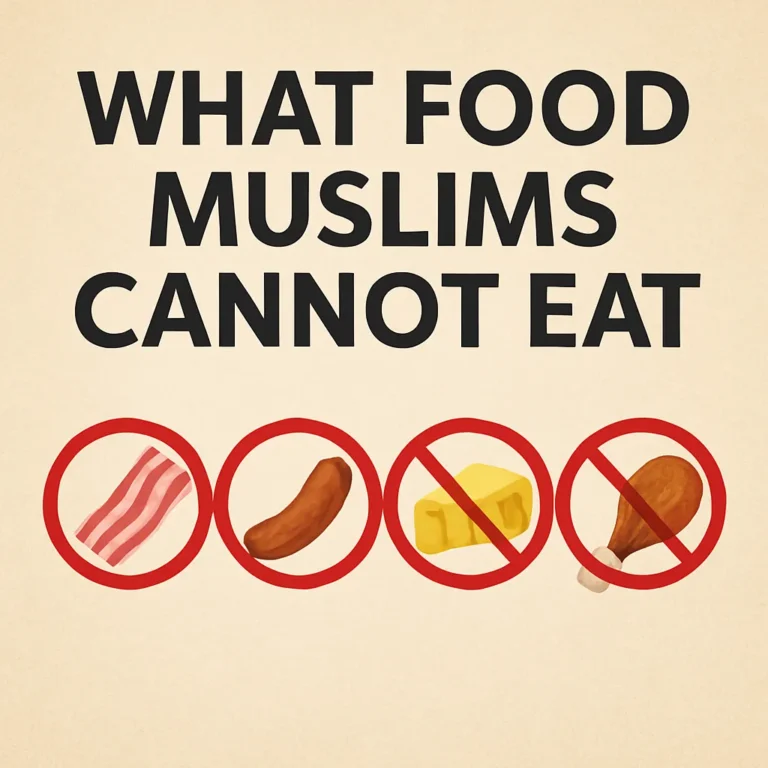
Introduction: Understanding Haram, Halal, and the Practical Everyday Questions
For many Muslims, navigating the vast landscape of food ingredients, processing methods, and restaurant menus can be challenging. This comprehensive guide explains what foods are haram—forbidden in Islam—and points to reliable halal alternatives that align with religious obligations while preserving taste, nutrition, and cultural practice. We will explore standard prohibitions, nuanced rules, and practical tips for verification in a modern food supply chain. Whether you are new to observing halal or seeking a deeper, more precise understanding, this guide aims to be a practical, respectful resource.
The Core Concept: Haram vs Halal — What This Guide Means by “What Muslims Cannot Eat”
When people ask what foods Muslims cannot eat, they are typically asking about the category of haram foods and the related halal alternatives. In Islamic jurisprudence, halal means “permissible” or “allowed,” while haram means “forbidden.” The classification is based on scriptural guidance, prophetic traditions, and the consensus of scholars across different schools of thought. Because the modern food industry often uses ingredients with multiple sources or complex processing, it is important to read labels carefully and seek trustworthy information.
This article uses variations of the phrase what food Muslims cannot eat to maintain semantic clarity and breadth, including: which foods are haram for Muslims, prohibited foods, forbidden items in a halal diet, and foods that Muslims must avoid.
The Foundational Harams: Core Prohibitions in Everyday Diet
Pork and Porcine-Derived Products
Pork meat is strictly haram in all mainstream interpretations.
Gelatin and lard derived from pork are commonly used in candies, desserts, and processed foods, and they are typically haram unless confirmed to be from halal sources.
Other porcine by-products—such as certain enzymes, fats, or flavorings—may appear in processed foods and must be checked for halal status.
Even when a product is otherwise vegetarian or dairy-based, the presence of any pork-derived component means it falls under the category of haram for Muslims who follow halal guidelines. The scope of the prohibition extends beyond meat to any ingredient with porcine origin.
Alcohol and Other Intoxicants
Alcoholic beverages such as beer, wine, and spirits are haram.
Alcohol can be present in flavorings, extracts (e.g., vanilla extract in some formulations), vinegars made through fermentation, and certain food processing aids.
In a broader sense, intoxicants that alter perception or behavior are disallowed when consumed as part of a halal diet.
It is important to note that the mere presence of small amounts in a product labeling does not automatically render the item haram if the alcohol has been fully evaporated or neutralized during processing; however, many Muslims prefer to avoid products where the alcohol source is uncertain or still present as an ingredient. When in doubt, seek products with explicit halal certification or contact manufacturers for full disclosure.
Blood, Dead Meat, and Improperly Slaughtered Animals
Blood and blood-derived products are haram.
Dead or carrion meat (animals that die of themselves without proper slaughter) is prohibited.
Meat from animals not slaughtered in accordance with zabiha (the Islamic method of slaughter) or slaughtered in the name of anyone other than God is generally considered haram by many scholars.
Additional categories include meat from animals that die due to strangulation, crushing, a severe injury, or a fall.
Predatory Animals, Birds of Prey, and Some Other Categories
Animals that are carnivorous or have talons (e.g., certain birds of prey) are commonly considered haram.
In some schools, aquatic animals restricted by certain criteria may have differing rulings, but land-based predatory animals are widely deemed impermissible.
Other Common Harams: Hidden Sources and Everyday Dilemmas
Insects and Edible Arthropods
The general consensus in many traditional schools is that insects are haram, with exceptions debated. Locusts are cited by some traditions as permissible, but this is not universal.
In practice, many Muslims avoid insects in grocery products unless there is clear halal confirmation.
Shellfish and Non-Fish Seafood
There is a spectrum of opinions regarding seafood. The majority view among classical scholars is that all fish is halal, but opinions diverge about shellfish and other marine life such as crustaceans and mollusks.
In contemporary settings, many scholars and halal authorities declare that all seafood is permissible, while others restrict to fish with fins and scales or require local fatwas. Always check local guidance if you follow a specific madhhab or certification body.
Processed Foods and Additives
Some items hide haram ingredients in processing aids, emulsifiers, and stabilizers.
Common concerns include gelatin (porcine or non-halal beef-derived gelatin without certification), rennet from non-halal animals, enzymes derived from non-halal sources, and certain carminic acid (carmine) colorants derived from insects.
Haram vs Halal in Everyday Food Categories: A Practical Walkthrough
Meat and Poultry
Halal meat must come from an animal slaughtered with recitation of God’s name and performed in a humane fashion according to Islamic law.
Non-halal meat includes pork, other forbidden animals, and meat slaughtered without proper intention or by non‑recognized methods.
Processed meats such as sausage, pepperoni, and hot dogs can be haram if they contain pork, non-halal beef, or non-halal gelatins or additives.
Dairy products are generally halal, provided that the milk comes from a permissible animal and that processing uses halal-certified ingredients (e.g., rennet that is not derived from haram sources).
Some cheeses rely on rennet from animal sources; look for vegetarian or microbial rennet as a halal alternative.
Beverages and Flavorings
Beverages containing alcohol are haram and must be avoided.
Some flavorings and extracts may contain alcohol traces or other non-halal solvents; verify with manufacturers when possible.
Natural flavors can be derived from haram sources; always check labeling or certification for confidence.
Confectionery and Snacks
Candies, chocolates, and baked goods can contain gelatin, pork-derived fats, or humectants sourced from haram animals. Verification is essential.
Look for items labeled halal-certified or with trusted halal logos from recognized authorities.
Halal Alternatives: How to Make Smart Substitutions
What to Look for When Choosing Halal Foods
Check for explicit halal certification from reputable authorities on packaging or menus.
Read the ingredient list for red flags: gelatin from pork, enzymes from questionable sources, ruminant fats not clearly indicated as halal, and any presence of alcohol.
Look for plant-based or dairy-based products with clear halal sourcing, such as those using vegetarian rennet or microbial enzymes.
Plant-Based, Dairy, and Contemporary Halal Foods
Plant-based proteins (beans, lentils, legumes, tofu, tempeh) are inherently halal when produced in clean facilities and free from cross-contamination with haram substances.
Dairy products with reliable halal labeling are a practical option for a wide range of meals and desserts.
Healthy grains, fruits, vegetables, nuts, and seeds form the cornerstone of a halal, balanced diet.
Certified Meat and Food Supply Chains
Choose suppliers with clear, credible halal certification and documentation showing adherence to zabiha slaughter practices.
In restaurants, ask about the sourcing of meat, how it was slaughtered, and whether utensils, cookware, and cross-contamination controls align with halal standards.
When shopping, look for halal-certified meats in supermarkets, butcher shops, and online retailers.
Eating Out: Navigating Restaurants and Social Occasions
Tips for Finding Halal-Friendly Options
Choose restaurants with explicit halal menus or certifications, and ask staff to explain the sourcing of meat and the use of shared utensils.
When unsure, order vegetarian dishes or meals based on grains, vegetables, beans, and halal-certified proteins to minimize risk of haram ingredients.
Ask about cross-contamination practices in the kitchen and whether separate cookware is used for halal dishes.
Common Restaurant Scenarios and Solutions
In mixed menus, you may encounter dishes with unknown broths, sauces, or glazes; request confirmation or request modifications to use halal ingredients only.
Some sauces may contain wine-based reductions or alcohol-based flavor extracts; replacements or homemade alternatives are often available.
When traveling, contact local halal food guides, consult certification directories, and use translation tools to verify terms like “halal,” “zabiha,” and “certified.”
Common Myths and Misconceptions About What Foods Muslims Cannot Eat
Myth: All Alcohol-Containing Products Are Prohibited Forever
The general principle is strict prohibition of consuming alcohol. However, some scholars discuss trace residues or alcohol that has completely evaporated during cooking. Most practicing Muslims still maintain strict avoidance of alcohol in ingested forms and prefer products with clear halal labeling. The key is complacency-free verification rather than assuming a product is safe because the alcohol is cooked away.
Myth: If a Product Is Halal-Certified, It Is Always Safe
While halal certification adds significant confidence, it is not a blanket guarantee for every supply chain issue. Some certifications may have regional variations, or the product might be produced in facilities that also handle haram ingredients. Always read ingredient lists and, if possible, confirm the certification scope and validity period.
Myth: Seafood Is Always Halal Without Labeling
The majority view among traditional scholars is that most fish is halal, but interpretations vary for shellfish and other sea life. In modern practice, many authorities extend halal allowances to all seafood, while others advocate limited categories. When in doubt, rely on trusted authorities and look for explicit halal statements on seafood products.
Practical Resources: How to Build a Personal, Reliable Halal Pantry
Label Reading and Ingredient Awareness
Become familiar with common haram ingredients: pork derivatives, alcohol, gelatin, rennet, and certain colorants derived from animals.
Look for clear halal certifications from recognized authorities on packaging or restaurant menus.
Keep a small glossary of terms to identify potential haram sources, such as “hydrolyzed animal protein,” “enzyme,” “meat extract,” and “bone char.”
Household Practices for a Halal Kitchen
Maintain separate utensils and cookware for halal-prepared foods if possible to avoid cross-contamination.
Store halal and non-halal foods separately, and read labels after purchasing to ensure ongoing compliance with halal standards.
Educate household members about the importance of halal choices and encourage shared responsibility for labeling and storage.
Resources for Further Learning
Consult credible halal certification bodies and their online directories to verify product status and certification scope.
Engage with local scholars or community centers to understand region-specific rulings or practices related to what foods Muslims cannot eat in your area.
Follow updated guidance on ingredients and processing methods as food technology evolves.
The question “what food Muslims cannot eat” spans a broad landscape—from well-known prohibitions like pork products and alcohol to subtler concerns about gelatin, enzymes and cross-contamination in processed foods. By understanding the core concepts of haram and halal, checking labels and certifications, and knowing how to ask the right questions when dining out, you can maintain a mindful, nutritious, and culturally aligned diet.
Remember that the halal journey is not only about avoiding forbidden items; it is also about discovering a wide range of halal-approved foods and halal alternatives that support health, faith, and enjoyment. With careful sourcing, clear labeling, and respectful communication with suppliers, families, and restaurant staff, you can confidently maintain your dietary standards while still enjoying flavorful, diverse cuisines.